
 John Johnson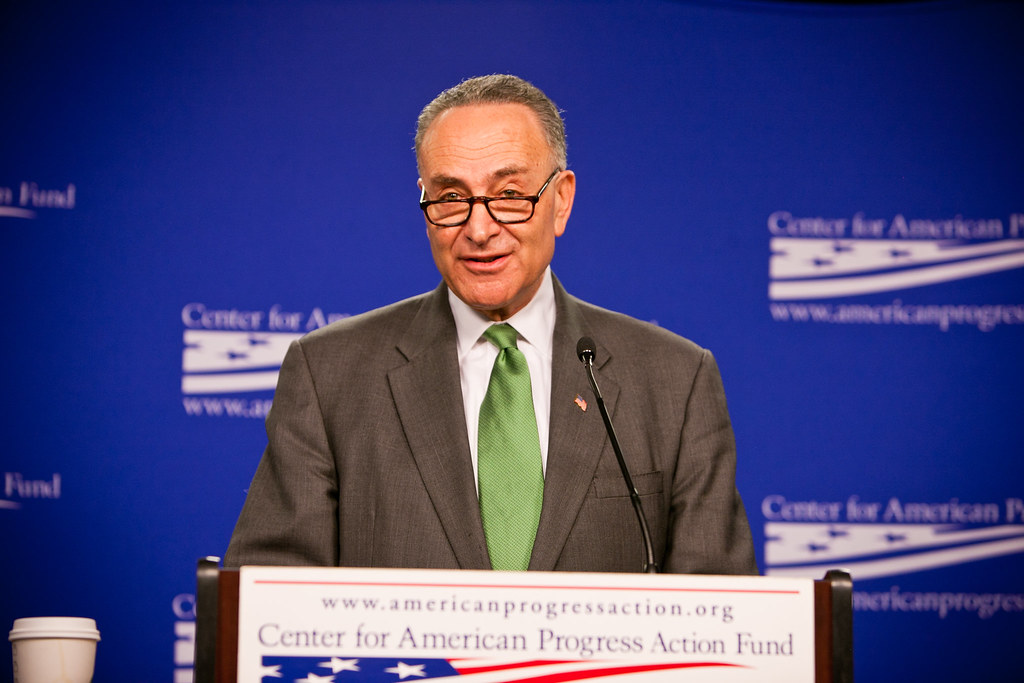
Economic trouble risks are becoming a significant concern as the RBI governor flags potential threats to global stability. Understanding these risks is crucial for navigating the current financial landscape.
Understanding Economic Trouble Risks
The global economy is currently facing a multitude of challenges that could lead to significant economic trouble risks. These risks can manifest in various forms, affecting nations and industries alike.
Among the primary concerns identified by experts are:
- Inflationary pressures: Rising prices for goods and services can erode purchasing power, leading to decreased consumer spending.
- Supply chain disruptions: Ongoing issues in global supply chains continue to hamper trade and economic recovery, creating uncertainty in markets.
- Geopolitical tensions: Conflicts and political instability in key regions can lead to market volatility and impact global economic stability.
- Interest rate hikes: Central banks, in an attempt to combat inflation, may raise interest rates, which in turn could slow down economic growth.
As highlighted by the Reserve Bank of India (RBI) governor, these factors contribute to a complex economic landscape that poses risks not only to individual countries but also to the global economy as a whole. Understanding these economic trouble risks is crucial for policymakers and businesses alike to navigate the turbulent waters ahead.
RBI Governor’s Warning
The recent comments from the Reserve Bank of India (RBI) Governor have raised alarms regarding the economic trouble risks that could threaten global stability. In a speech addressing financial experts and policymakers, the Governor outlined several key factors contributing to the current economic climate.
Among the most pressing concerns are:
- Inflationary Pressures: Rising prices are creating challenges for consumers and businesses alike, leading to decreased purchasing power.
- Geopolitical Tensions: Ongoing conflicts and trade disputes are disrupting markets and may lead to further instability.
- Supply Chain Disruptions: The lingering effects of the pandemic have exposed vulnerabilities in global supply chains, impacting production and distribution.
- Monetary Policy Tightening: Central banks worldwide are beginning to increase interest rates, which may slow down economic growth and investment.
The RBI Governor emphasized the importance of proactive measures to mitigate these risks. He urged countries to collaborate on economic policies and strengthen financial systems to ensure resilience against potential shocks. Failure to address these economic trouble risks could lead to widespread repercussions, affecting millions around the globe.
Global Economic Stability
The current landscape of global economic stability is increasingly precarious, with several factors contributing to an atmosphere of uncertainty. Economists and policymakers are expressing concern over the various economic trouble risks that could undermine recovery efforts worldwide.
Among the most pressing threats are:
- Inflationary Pressures: Rising prices are affecting purchasing power and consumer confidence, leading to reduced spending.
- Supply Chain Disruptions: Ongoing issues in supply chains are causing delays and shortages, impacting production across multiple sectors.
- Geopolitical Tensions: Conflicts and trade disputes are creating instability, further complicating international cooperation and economic growth.
- Interest Rate Hikes: Central banks are adjusting rates to combat inflation, but higher borrowing costs can stifle investment and slow economic activity.
These factors collectively highlight the interconnectedness of global markets and the potential for localized issues to have far-reaching consequences. As nations grapple with these realities, addressing economic trouble risks becomes essential for fostering a stable and resilient global economy.
Impact on Banking Sector
The current wave of economic trouble risks poses significant challenges to the banking sector, with institutions facing increased scrutiny and potential instability. As financial markets react to shifting economic indicators, banks are finding it more difficult to maintain confidence among investors and customers.
Several factors contribute to this precarious situation:
- Rising Interest Rates: Central banks around the world are raising interest rates to combat inflation, leading to higher borrowing costs for consumers and businesses. This trend can decrease loan demand and negatively impact banks’ profitability.
- Loan Defaults: With the rising cost of living and economic uncertainty, more borrowers may struggle to meet their obligations, resulting in increased loan defaults. This scenario can place additional strain on banks’ balance sheets.
- Regulatory Pressures: Heightened regulatory scrutiny following past financial crises means banks must now maintain higher capital reserves, limiting their ability to lend and support economic growth.
- Market Volatility: Ongoing geopolitical tensions and fluctuating commodity prices can lead to market instability, putting further pressure on financial institutions.
As these issues unfold, the banking sector remains on high alert, aware that the economic trouble risks could have lasting implications for global financial stability.
Mitigating Financial Risks
In the face of rising economic trouble risks, proactive measures are essential to mitigate potential financial fallout. Governments and financial institutions are increasingly adopting strategies to safeguard against volatility and uncertainty in the global market.
Key strategies for mitigating financial risks include:
- Diversification: Investors are encouraged to diversify their portfolios to spread risk across various asset classes, reducing the impact of any single economic downturn.
- Strengthening Regulations: Regulatory bodies play a crucial role in overseeing financial institutions. Enhanced regulations can prevent excessive risk-taking and promote stability.
- Improving Transparency: Financial institutions must prioritize transparency in reporting, allowing stakeholders to make informed decisions and reduce panic during uncertain times.
- Global Cooperation: Collaborative efforts among countries can address shared economic challenges, fostering a stable environment that benefits all parties involved.
As the world grapples with these challenges, it is imperative for stakeholders to remain vigilant and adaptable. By implementing these strategies, the global community can work towards minimizing the impact of economic trouble risks and maintaining stability in an increasingly interconnected world.
Key Indicators of Economic Trouble
As global markets navigate through uncertain waters, several key indicators signal potential economic trouble risks that warrant close attention from policymakers and investors alike. These indicators often serve as early warning signs of broader economic instability.
- Unemployment Rates: A rising unemployment rate can indicate a faltering economy. High joblessness not only reduces consumer spending but also puts pressure on social safety nets.
- Inflation Trends: Persistent inflation may erode purchasing power, leading to decreased consumer confidence. Central banks often face the dilemma of balancing inflation control with economic growth.
- Debt Levels: Both public and private debt levels are crucial. Excessive debt can lead to defaults and financial crises, creating ripple effects across global markets.
- Trade Imbalances: Significant trade deficits can weaken a nation’s currency and increase vulnerability to economic shocks, particularly in a globally interconnected environment.
- Consumer Confidence Index: A decline in consumer confidence can foreshadow reduced spending, which is a critical driver of economic growth.
Monitoring these indicators is essential for understanding the broader context of economic trouble risks and their potential impact on global stability.
Expert Opinions on Future Trends
Experts are increasingly voicing concerns about the potential economic trouble risks that could destabilize global markets. According to leading economists, several factors are contributing to this precarious situation.
- Inflationary Pressures: Many analysts point to rising inflation as a significant threat. With prices surging in various sectors, consumers are feeling the pinch, which could lead to decreased spending and investment.
- Geopolitical Tensions: The ongoing conflicts in various regions are creating uncertainty. Experts warn that heightened tensions can disrupt trade and investment flows, further exacerbating economic trouble risks.
- Supply Chain Disruptions: The pandemic highlighted vulnerabilities in global supply chains. Continued disruptions may hinder recovery efforts, impacting production and leading to increased costs.
- Monetary Policy Adjustments: Central banks around the world are grappling with the challenge of tightening monetary policy without stifling growth. The delicate balance is crucial to avoid triggering a recession.
As these experts analyze the landscape, they emphasize the importance of proactive measures to mitigate potential risks. Understanding these trends will be vital for policymakers and businesses alike as they navigate the uncertain economic terrain ahead.
Conclusion on Economic Outlook
In conclusion, the current economic landscape is fraught with challenges that pose significant economic trouble risks to global stability. As highlighted by various experts and authorities, including the RBI Governor, the intertwining of political, financial, and social factors exacerbates these risks.
Key indicators such as inflation rates, unemployment figures, and market volatility suggest a precarious situation that requires urgent attention. The impact of these economic trouble risks extends beyond borders, affecting nations and their ability to recover from downturns. Mitigating these risks necessitates a collaborative approach among governments, financial institutions, and global organizations.
Furthermore, the banking sector remains particularly vulnerable, with potential crises looming if proactive measures are not taken. It is essential for policymakers to remain vigilant and responsive to emerging threats while fostering a stable economic environment.
As we move forward, understanding the underlying causes of these economic troubles will be crucial in developing effective strategies. While challenges persist, there remains hope that with coordinated efforts, the adverse effects can be minimized, paving the way for a more resilient global economy.
Ultimately, recognizing and addressing these economic trouble risks will determine the trajectory of future stability and growth.
By Center for American Progress Action Fund via Openverse
Where this came from
Related stories
Adobe Stock Analysis: AI Monetisation, Recurring Revenue, Margin Trends, and Valuation Sensitivity · Kanohar Electricals shares: Best jump with proven Q1 results · SFC Environmental Technologies IPO: The Complete Review