
 John Johnson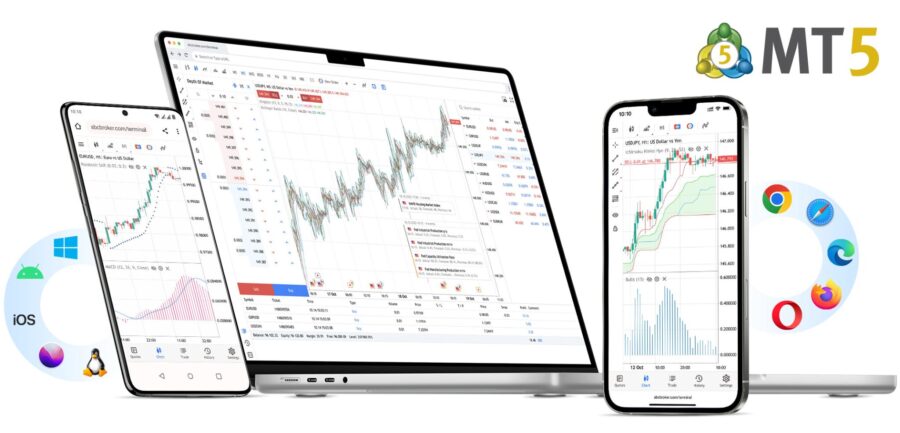
Digital trading has changed how market participants access financial instruments, analyse price movements, and manage positions across increasingly connected global markets. For traders seeking flexible market access, the MT5 trading platform provides a structured environment for chart analysis, order management, technical indicators, and automated trading tools. Modern platforms increasingly combine accessibility with advanced functionality, allowing users to monitor markets and execute strategies from different devices. However, technology alone does not determine trading outcomes.
Users should understand market volatility, leverage, costs, execution conditions, and the risks associated with different financial instruments. Evaluating platform capabilities alongside personal objectives and experience can help traders select suitable tools. A thoughtful approach to digital trading focuses not only on convenience but also on responsible decision-making, risk management, and informed market participation.
Key Features Supporting Modern Digital Trading
Advanced trading platforms combine analytical tools, market access, order functionality, and account management features to support different trading approaches.
1. Comprehensive Market Analysis
Modern platforms provide tools that help traders study price movements and identify potential market patterns. Charts, technical indicators, drawing tools, and multiple timeframes can support different analytical approaches. Traders may use these features to examine trends, momentum, support and resistance, or other market characteristics. Having several analytical tools within one environment can make it easier to organise research before entering a position. However, indicators should support decision-making rather than be treated as guarantees of future price movements.
2. Flexible Order Management
Efficient order management is an important part of digital trading. Platforms can offer different order types that let traders define entry and exit conditions based on their strategies. Market orders, pending orders, stop-loss instructions, and take-profit levels can help structure positions. Understanding how each order operates is essential because execution may vary during periods of high volatility or limited liquidity. Clear order management can help traders implement predefined strategies more consistently.
3. Automated Trading Capabilities
Automation has become increasingly relevant to modern trading environments. Depending on the platform and broker, traders may use algorithmic strategies, expert advisors, or automated systems to execute predefined instructions. Automation can reduce the influence of emotional decisions and allow strategies to operate according to specific conditions. However, automated systems still depend on their underlying logic and market assumptions. Traders should test strategies carefully, monitor performance, and understand potential technical or market-related limitations before relying on automated execution.
Technology Enhancing Access to Global Markets
Digital infrastructure has made it easier for traders to monitor multiple markets and manage positions through connected devices.
1. Multi-Asset Market Access
Modern trading environments can provide access to several asset classes through a single interface, depending on the provider. These may include forex, indices, commodities, cryptocurrencies, and other financial instruments. Multi-asset access lets traders evaluate opportunities across different markets without maintaining separate systems for each asset. However, each market has its own characteristics, costs, liquidity conditions, and risks. Understanding these differences remains important before expanding beyond familiar instruments.
2. Mobile and Desktop Connectivity
Trading platforms increasingly support access across desktop computers, smartphones, and other connected devices. This flexibility allows users to monitor markets and review positions without being restricted to a single location. Consistent account access can help traders track changing market conditions. Nevertheless, frequent monitoring can also encourage impulsive decisions. Technology should therefore improve access and organisation without replacing a structured trading plan or encouraging unnecessary transactions.
3. Real-Time Information and Monitoring
Timely market information can support more informed trading decisions. Price feeds, charts, alerts, economic calendars, and account notifications allow traders to monitor developments that may affect open or potential positions. Real-time information is particularly relevant during periods of heightened volatility when market conditions can change quickly. Traders should still evaluate information critically because rapid price movements can produce temporary signals or unexpected execution conditions. Combining live data with broader market analysis can support more balanced decision-making.
Evaluating Platform Reliability and Trading Conditions
Selecting a digital trading environment requires attention to more than available features. Traders should evaluate execution quality, platform stability, costs, security, customer support, and applicable account conditions. The mt5 trading platform can provide advanced functionality, but users should still assess whether its features and trading conditions suit their requirements.
Trading costs can include spreads, commissions, financing charges, and other fees depending on the instrument and account structure. These expenses can influence overall results, particularly for frequent traders. Platform reliability is equally important because technical interruptions can affect market access or position management.
Security should also remain a priority. Traders should review authentication measures, account protections, data handling practices, and withdrawal procedures before committing funds. Understanding provider terms and regulatory information can further support informed platform evaluation.
Building a Responsible Online Trading Approach
Technology can make trading more accessible, but responsible participation still depends on preparation and discipline. Traders should establish clear objectives, determine acceptable risk levels, and select instruments that match their knowledge and experience.
A trading plan can define entry conditions, exit rules, position sizing, and maximum acceptable losses. Reviewing economic events and market volatility before placing trades can also help traders understand potential risks. Leverage deserves particular attention because it can increase exposure and magnify both gains and losses.
Regularly reviewing completed trades can help identify patterns in decision-making. Traders may assess whether positions followed their strategy, whether they respected risk limits, and whether emotional factors influenced decisions. This process can support gradual improvement while reducing dependence on short-term outcomes.
Conclusion
The development of advanced digital platforms has expanded access to financial markets while providing traders with increasingly sophisticated tools for analysis, execution, automation, and account management. However, technology should complement sound trading practices, not replace them. Understanding costs, market volatility, leverage, platform functionality, and risk controls remains essential when evaluating digital trading solutions.
For traders seeking online trading services, AngelSky provides a digital environment designed to support access to financial markets and trading-related functionality. Their platform offerings can help users engage with market analysis, trading tools, and account management features through modern digital infrastructure. Traders should independently review available instruments, fees, execution conditions, applicable terms, and risk disclosures before using any service. A balanced combination of technology, market knowledge, and disciplined risk management can provide a stronger foundation for navigating modern online trading.