 John Johnson
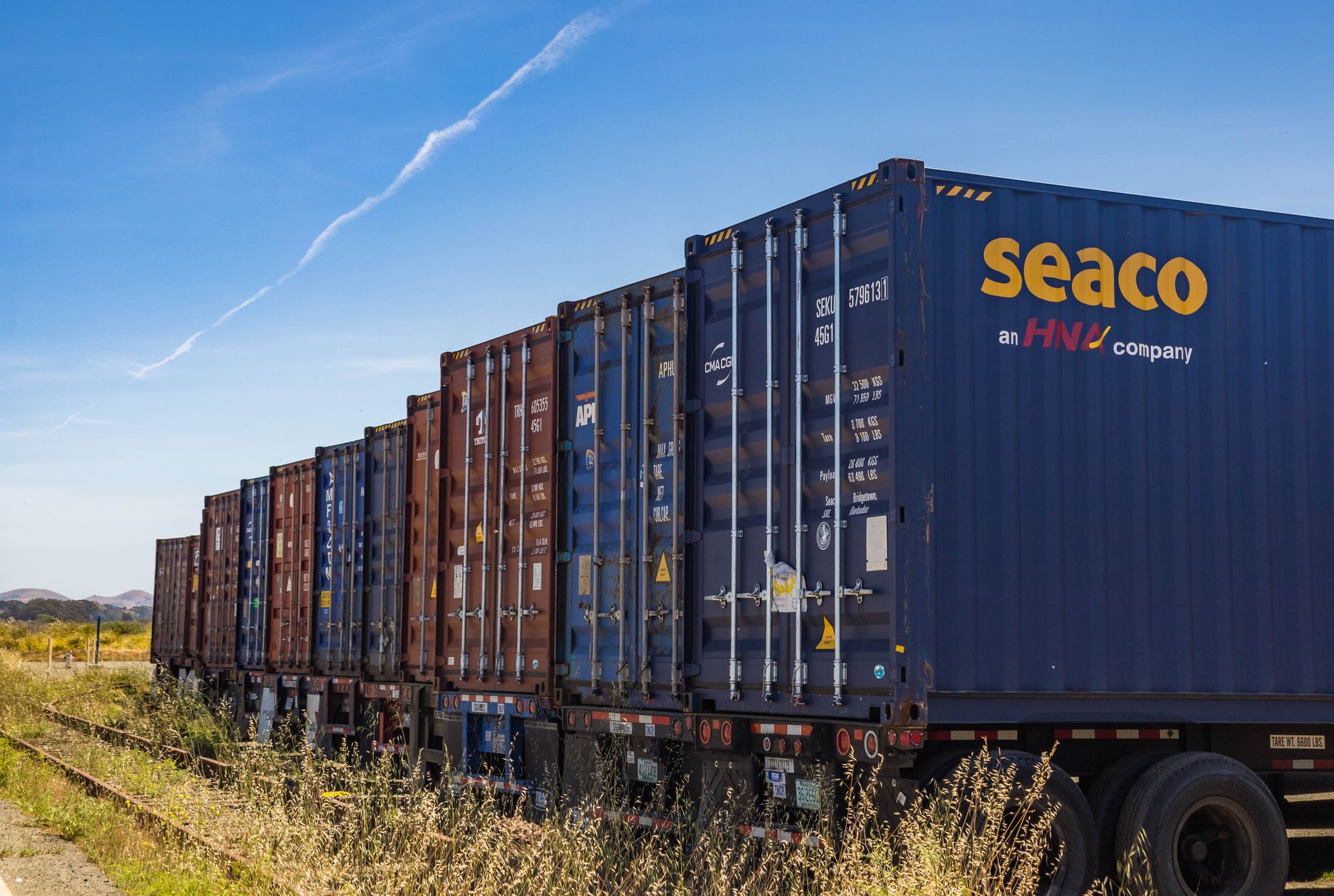
container congestion Asia is a pressing issue that is projected to last until 2027, causing freight rates to rise significantly. This ongoing situation is affecting logistics operations across the region.
Current State of Container Congestion
The current state of container congestion in Asia remains critical, with delays affecting supply chains and shipping schedules. Port facilities across major Asian hubs are struggling to manage the influx of cargo, leading to significant backlogs.
As a result, freight rates have surged, causing financial strain for importers and exporters alike. Industry experts believe that this congestion will persist into 2027, with various factors contributing to the ongoing crisis:
- Increased demand: A rise in consumer demand has led to higher volumes of goods being shipped.
- Labor shortages: Many ports are facing workforce challenges, further exacerbating delays.
- Infrastructure issues: Outdated port facilities are unable to cope with the current shipping demands.
This combination of factors continues to disrupt the flow of goods, making the situation dire for many in the shipping industry.
Impact on Freight Rates
The ongoing container congestion in Asia has significantly affected freight rates, driving them to unprecedented heights. This situation has created a ripple effect across global supply chains, as businesses struggle to secure shipping space amidst prolonged delays.
Industry experts highlight several key factors contributing to the escalation of freight costs:
- Increased Demand: A surge in consumer demand has intensified competition for limited shipping capacity.
- Port Delays: Extended turnaround times at major ports have exacerbated container congestion in Asia, further straining logistics networks.
- Fuel Prices: Rising fuel costs have added to the financial burden for shipping companies, leading to higher rates passed on to consumers.
As these challenges persist, businesses may need to adapt their strategies to mitigate the impact of soaring freight rates on their operations.
Future Projections for Logistics
The future of logistics in Asia is expected to remain challenging as container congestion is projected to persist well into 2027. Experts warn that ongoing delays at major ports could lead to sustained high freight rates, impacting global trade dynamics.
Several factors are contributing to these projections:
- Increased Demand: As economies rebound, demand for goods is likely to surge, placing further strain on already congested shipping routes.
- Infrastructure Challenges: Many ports are struggling to upgrade their facilities to handle the rising volume of containers efficiently.
- Regulatory Changes: New environmental regulations may slow down operations, exacerbating existing bottlenecks.
With container congestion in Asia expected to continue, businesses must adapt their logistics strategies to navigate the complexities of this evolving landscape.
Solutions to Alleviate Congestion
As container congestion in Asia continues to disrupt global supply chains, several strategies are being implemented to alleviate the situation. Industry experts suggest a multifaceted approach to tackle the growing crisis.
Key solutions include:
- Optimizing Port Operations: Implementing advanced technologies to improve efficiency and reduce turnaround times at ports.
- Increasing Trucking Capacity: Encouraging partnerships with logistics companies to boost the availability of trucks for quicker transport from ports.
- Enhancing Rail Connectivity: Developing better rail links to facilitate faster movement of containers inland, thereby easing port congestion.
- Promoting Alternative Shipping Routes: Exploring less congested ports and alternative shipping lanes to mitigate delays.
Through these initiatives, stakeholders aim to reduce container congestion in Asia and stabilize freight rates, which have reached unprecedented levels.
Expert Opinions on the Crisis
Experts in the logistics industry are sounding alarms over the ongoing container congestion in Asia, warning that the crisis may not resolve in the near future. According to Dr. Emily Tan, a logistics analyst, “The current situation is unprecedented, and we are likely to see these challenges persist well into 2027.”
Many industry leaders believe that the congestion is a symptom of deeper systemic issues. David Chen, a shipping executive, noted, “The surge in demand combined with inadequate infrastructure has created a perfect storm for delays.”
While some companies are implementing short-term solutions, the consensus is that a comprehensive strategy is needed.
- Investment in port infrastructure is crucial.
- Collaboration between shipping lines and port authorities can improve efficiency.
- Technological innovations may help streamline operations.
Without significant changes, experts predict that container congestion in Asia will continue to impact global supply chains and freight rates for years to come.
The ongoing challenges of container congestion Asia have led to significant disruptions in supply chains worldwide. As a result, businesses are grappling with soaring freight rates that are impacting their bottom lines.
By shankar s. via Openverse
Read the original
You might also like
Bitcoin Price News: Is It the Best Time to Invest? · Taiwan index record high: Proven factors behind the surge · Internet Computer Price Prediction: Smart Insights for 2026