
 Joshua Rogers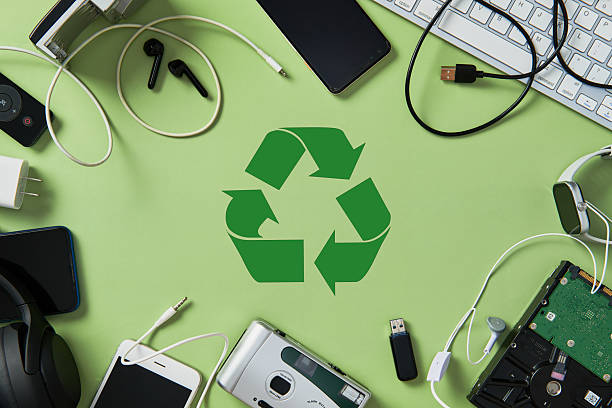
Technology evolves rapidly, and businesses are constantly replacing computers, servers, storage systems, and office electronics to stay competitive. While upgrading equipment improves efficiency and productivity, many organisations overlook what happens to outdated devices once they are no longer in use. Old systems are often left unused in storage rooms, offices, or warehouses without considering the risks they may still carry.
For businesses focused on protecting sensitive information and improving environmental responsibility, old IT equipment disposal has become an essential process rather than a simple cleanup task. Proper disposal practices help organisations reduce security risks, support sustainability goals, and maintain compliance with modern regulations. Readers who want to understand how businesses can safely manage outdated technology will benefit from learning how responsible disposal contributes to both operational safety and environmental protection.
The Hidden Risks Behind Unused IT Equipment
Many retired devices still contain confidential business information even after they stop being operational. Hard drives, storage devices, and company servers can continue storing financial records, employee information, customer data, and internal communications long after they are removed from active use.
When businesses fail to dispose of these devices responsibly, the risk of unauthorised access increases significantly. Data recovery tools have become advanced enough to retrieve information from improperly discarded devices, creating serious concerns for organisations handling sensitive information.
The consequences of poor disposal practices can affect a business in several ways. Companies may experience financial losses, legal complications, operational disruption, and long-term damage to customer trust. In industries where privacy and confidentiality are critical, even a small mistake can create lasting consequences.
Electronic Waste and Environmental Concerns
Electronic waste is becoming one of the fastest-growing environmental challenges worldwide as businesses upgrade technology more frequently each year. Many electronic devices contain hazardous materials that can harm the environment if disposed of improperly. Components like batteries, circuit boards, and monitors may release harmful substances into soil and water systems when sent to landfills.
At the same time, electronic equipment also contains recyclable materials such as metals and plastics that can be recovered through proper recycling processes. Businesses that adopt responsible disposal practices not only reduce pollution but also support broader sustainability efforts.
Why Data Destruction Should Never Be Ignored
One of the most common misconceptions among businesses is that deleting files or formatting devices permanently removes data. In reality, much of that information can still be recovered using specialised software if devices are not properly destroyed.
Secure data destruction helps ensure sensitive information cannot be reconstructed or accessed after disposal. This process becomes especially important for organisations managing customer databases, financial records, healthcare information, or confidential corporate data.
Professional disposal providers often use advanced destruction methods designed to permanently eliminate stored information. These methods may include:
- Certified data wiping
- Hard drive shredding
- Degaussing
- Physical destruction of storage devices
Using secure destruction procedures greatly reduces the risk of data breaches and unauthorised access.
Regulatory Compliance and Business Responsibility
Modern businesses operate under increasing pressure to meet data protection and environmental compliance standards. Many industries now require organisations to follow strict procedures when disposing of electronic equipment and confidential data.
Failure to comply with these regulations may result in penalties, audits, legal action, or reputational harm. Companies that establish organised disposal procedures are often better prepared to handle compliance requirements and demonstrate accountability during inspections or reviews.
Proper documentation also plays an important role in responsible disposal practices. Maintaining records of recycling, destruction certificates, and asset tracking can help businesses prove compliance while improving internal risk management.
Sustainability Is Becoming a Competitive Advantage
Sustainability has become an important factor in how customers, investors, and business partners evaluate organisations. Businesses are now expected to demonstrate environmental responsibility through practical operational decisions, including how they manage outdated technology.
Companies that prioritise responsible recycling and disposal practices often strengthen their reputation and improve stakeholder confidence. Environmental responsibility is no longer viewed as a separate initiative but as part of long-term business strategy.
Responsible disposal practices can support the following:
- Corporate sustainability goals
- ESG initiatives
- Stronger public image
- Customer trust
- Long-term operational efficiency
Organisations that integrate sustainability into their operations are often better positioned for future growth and market credibility.
Extending the Life of Technology Assets
Not all outdated devices immediately become waste. In many cases, businesses can extend the life cycle of certain equipment through refurbishment, upgrades, resale, or internal reuse.
This approach helps organisations maximise the value of their technology investments while reducing unnecessary electronic waste. Devices that still function properly may continue serving useful purposes after upgrades or reconfiguration.
However, businesses must ensure that all confidential information is securely removed before equipment is reused, donated, or sold. Secure data handling should remain a priority throughout every stage of the asset management process.
Why Professional Disposal Services Matter
Managing retired electronics internally may appear convenient, but professional disposal providers often offer specialised expertise and secure handling procedures that businesses cannot easily manage on their own.
Experienced disposal companies understand the importance of environmental compliance, secure transportation, certified destruction, and responsible recycling. Their services help organisations reduce risks while simplifying the overall disposal process.
A professional disposal provider may assist businesses with:
- Secure collection and transportation
- Certified recycling services
- Asset tracking and reporting
- Data destruction certification
- Compliance support
Working with qualified professionals allows businesses to focus on operations while ensuring retired technology is handled responsibly.
Creating a Long-Term Disposal Strategy
Businesses benefit greatly from having a clear strategy for handling outdated technology equipment. Without structured processes, unused devices often accumulate over time, increasing security and environmental concerns.
An effective disposal strategy should include regular inventory reviews, secure storage procedures, approved recycling partners, and employee awareness regarding proper disposal practices. Organisations that proactively manage electronic waste are usually better prepared to handle future technology upgrades responsibly.
Building a long-term strategy also improves operational organisation and reduces unnecessary risks associated with unmanaged equipment storage.
Conclusion
Outdated technology may no longer be useful for daily operations, but improper handling can still create serious security and environmental risks. Businesses that fail to manage retired devices responsibly may expose sensitive data and contribute to increasing electronic waste.
By following secure disposal and responsible recycling practices, organisations can protect confidential information, support sustainability efforts, and improve long-term operational efficiency.
Dubai-based waste management company Planet Green Recycling specializes in e-waste recycling, secure data destruction, and IT asset disposal services. The company focuses on environmentally responsible recycling solutions while helping businesses manage electronic waste securely and sustainably.