 John Johnson

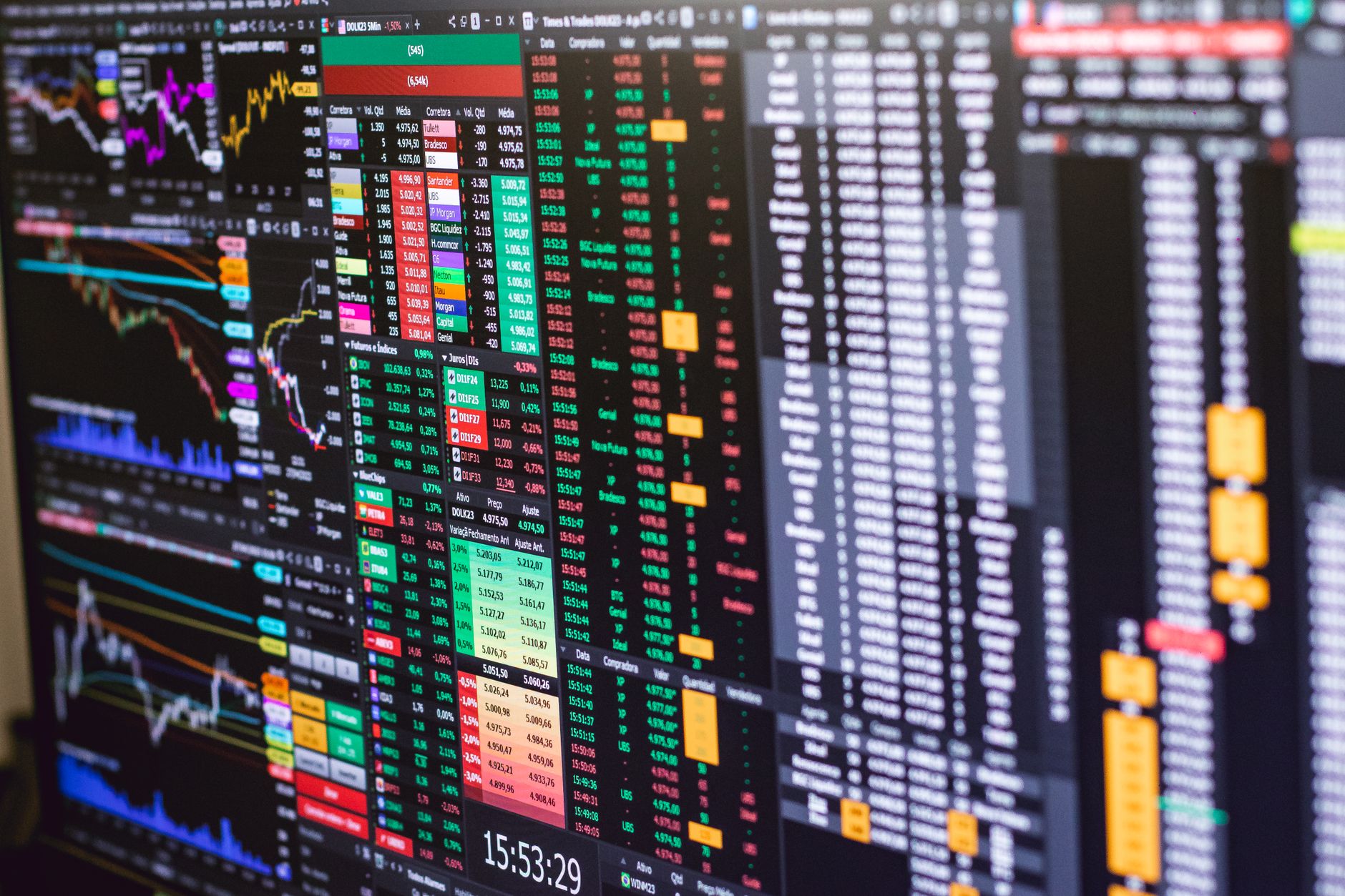
Stock Market Rebound is evident today as the Sensex and Nifty recover from an early crash. Four key factors are driving this market movement, providing investors with insights into the current trends.
Overview of Today’s Market
Today’s stock market experienced a significant rebound, as both the Sensex and Nifty indices recovered from an early crash. Investors are optimistic about the factors contributing to this turnaround, highlighting a growing sense of market stability.
Several key elements are driving today’s recovery, including:
- Positive Earnings Reports: Companies from various sectors have reported better-than-expected quarterly earnings, boosting investor confidence.
- Government Policy Support: Recent announcements from the government aimed at stimulating economic growth have reassured market participants.
- Global Market Trends: An uptick in international markets has provided a favorable backdrop, encouraging local investors to re-enter the market.
- Technical Corrections: Many analysts suggest that the early drop was a temporary adjustment, setting the stage for a rebound.
As a result of these influences, the stock market rebound reflects a renewed optimism among traders, with many looking forward to further gains in the coming days. The current sentiment indicates that investors are ready to capitalize on potential opportunities amidst the fluctuations.
Key Factors Influencing Recovery
The recent stock market rebound can be attributed to several key factors that have significantly influenced investor sentiment and market dynamics. Understanding these elements is essential for navigating the current financial landscape.
- Positive Earnings Reports: Many companies have exceeded earnings expectations, which has restored confidence among investors. Strong performance in sectors such as technology and consumer goods has particularly contributed to the rebound.
- Monetary Policy Signals: The central bank’s hints at maintaining accommodative monetary policies have alleviated fears of aggressive interest rate hikes. This has encouraged more investments in equities, supporting the stock market rebound.
- Global Market Trends: A rally in international markets has led to increased optimism. Investors are closely monitoring developments abroad, which are often indicative of potential local market performance.
- Market Corrections: After a period of volatility, many stocks are now viewed as undervalued. This has prompted buying activity, further driving the recovery in the stock market.
These factors, combined with a resilient economic outlook, have played a crucial role in the stock market rebound observed today.
Expert Insights on Market Trends
As the stock market experiences a notable rebound, experts are weighing in on the factors that are contributing to this recovery. Analysts point to several key trends that are shaping today’s market landscape.
- Investor Sentiment: A significant shift in investor sentiment has been observed, with many traders regaining confidence after a series of volatile sessions. This renewed optimism is driving demand and encouraging more buying activity.
- Economic Indicators: Recent economic data releases have shown signs of resilience, particularly in sectors such as manufacturing and consumer spending. These indicators have bolstered hopes for sustainable growth, further fueling the stock market rebound.
- Central Bank Policies: Central banks around the world have reiterated their commitment to supportive monetary policies. This has provided a reassuring backdrop for investors, encouraging market participation.
- Sector Performance: Certain sectors, like technology and healthcare, have outperformed expectations, drawing significant investment. This sector-specific strength has contributed to the overall positive market movement.
In conclusion, the stock market rebound is attributed to a combination of improved investor sentiment, favorable economic indicators, supportive policies, and strong sector performances.
Historical Context of Market Fluctuations
The stock market has always been a dynamic environment, characterized by periods of significant fluctuations. Understanding the historical context of these movements is crucial for grasping today’s stock market rebound.
Throughout history, various factors have influenced market behavior, leading to both booms and busts. Some notable events include:
- The Great Depression (1929): A catastrophic stock market crash that led to a prolonged economic downturn.
- The Dot-Com Bubble (late 1990s): A period of excessive speculation in internet-based companies, resulting in a sharp market correction in 2000.
- The 2008 Financial Crisis: Triggered by the collapse of the housing market, this crisis resulted in a significant decline in stock prices globally.
These events illustrate how external economic factors, investor sentiment, and regulatory changes can drive market volatility. In contrast, today’s stock market rebound is supported by renewed investor confidence and favorable economic indicators. By examining these historical fluctuations, investors can better understand the resilience of the stock market and the potential for recovery amid uncertainty.
Future Predictions for Investors
As investors look to the future, the prospect of a stock market rebound has sparked a variety of predictions from analysts and financial experts. The current recovery phase is being closely monitored, with several factors likely to influence market performance in the coming months.
Among the key elements shaping future trends are:
- Economic Indicators: The release of positive economic data, such as employment rates and consumer spending, can bolster investor confidence and promote market stability.
- Monetary Policy Changes: Adjustments in interest rates by central banks may lead to increased liquidity, encouraging investment and potentially fueling a stock market rebound.
- Geopolitical Stability: Resolution of ongoing geopolitical tensions could alleviate market uncertainties, further supporting recovery efforts.
- Technological Advancements: Innovations across sectors may drive growth and attract investment, providing a solid foundation for ongoing market recovery.
As market dynamics continue to evolve, investors should remain vigilant and adaptable, ready to capitalize on opportunities arising from the anticipated stock market rebound.
Conclusion and Takeaways
In conclusion, the stock market rebound observed in recent days can be attributed to a combination of significant factors that have contributed to a renewed sense of investor confidence. As highlighted in the previous sections, the interplay between economic indicators, corporate earnings, and global market trends has played a crucial role in shaping market movements.
Key takeaways from this recovery include:
- Economic Indicators: Positive reports on employment and consumer spending have reassured investors about the resilience of the economy.
- Corporate Earnings: Strong performance from major companies has exceeded expectations, providing a boost to market sentiment.
- Global Influences: Developments in international markets have influenced the local landscape, with many investors responding to global trends.
- Investor Sentiment: A shift in investor psychology, favoring buying over selling, has significantly impacted the rebound.
As we look ahead, understanding these factors will be essential for investors aiming to navigate the complexities of the stock market rebound. Staying informed and adaptable will be key in this dynamic environment.
Photo by Leeloo The First on Pexels
Where this came from
You might also like
Jio Platforms IPO: The Best Proven Opportunity This Week · Polygon Coinme Acquisition: Smart Strategy for Growth · Wintrust Financial earnings: Best Quick Insights You Need