 John Johnson
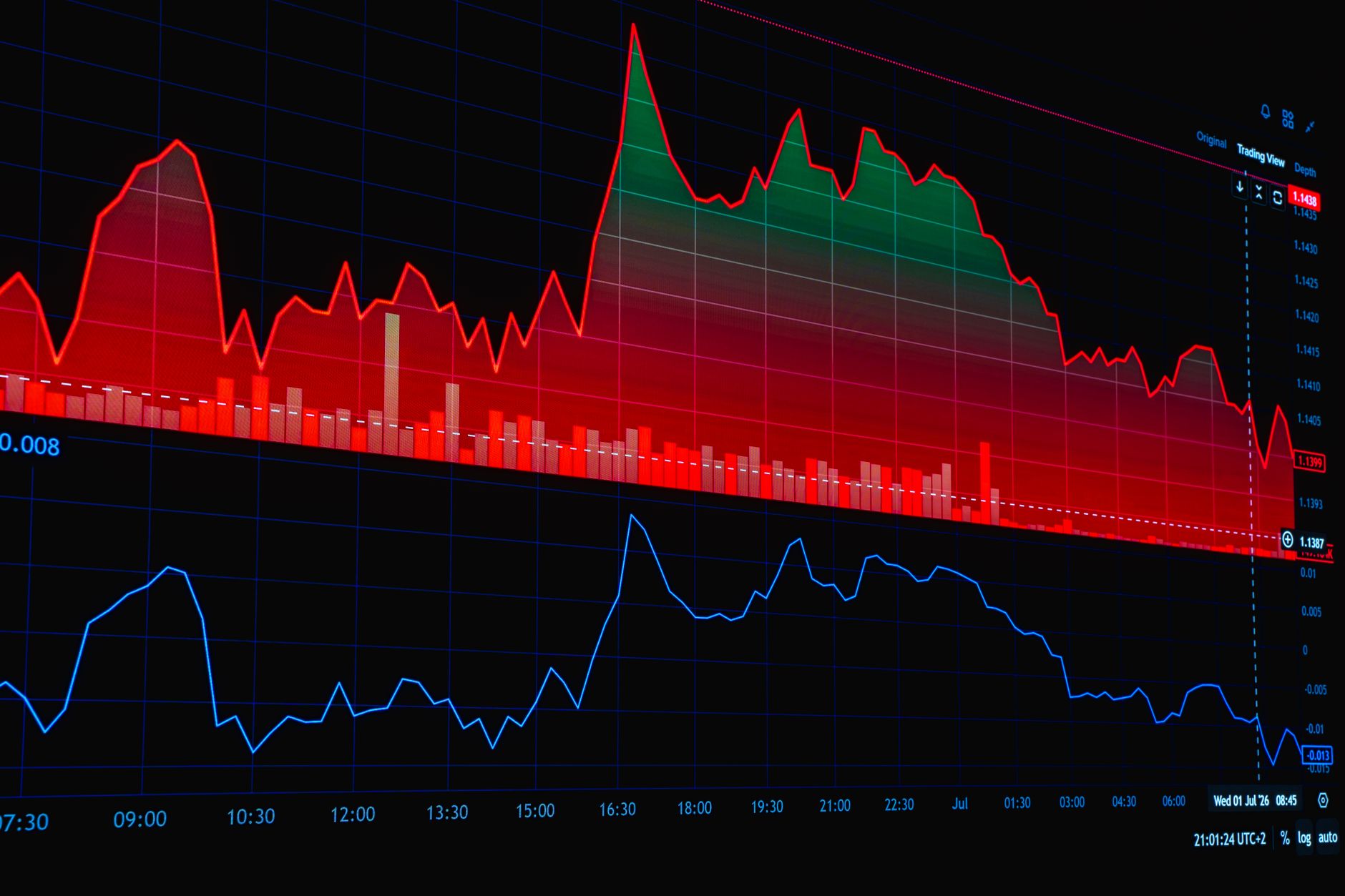
RIL-backed stock has recently hit a fresh 52-week low, with shares plunging nearly 56% year-to-date. This significant downturn has raised alarms for investors and market analysts alike.
Overview of RIL-backed stock performance
The performance of the RIL-backed stock has taken a significant downturn in recent months, raising concerns among investors and analysts alike. As of the latest reports, the stock has hit a fresh 52-week low, reflecting a staggering decline of nearly 56% year-to-date (YTD). This sharp drop has positioned the RIL-backed stock as one of the worst performers in the market.
Several factors have contributed to this decline:
- Market Sentiment: Negative investor sentiment has played a crucial role in the stock’s plummet.
- Financial Performance: Recent earnings reports have shown disappointing results, further eroding confidence.
- Broader Market Trends: Economic uncertainties and sector-specific downturns have also influenced the stock’s trajectory.
As the situation unfolds, stakeholders are closely monitoring the implications for the overall market and RIL’s investment strategy.
Factors contributing to the stock decline
The decline of the RIL-backed stock can be attributed to several critical factors that have negatively impacted investor confidence and market performance.
- Market Volatility: Ongoing fluctuations in the market have led to increased uncertainty, causing investors to shy away from stocks perceived as risky.
- Weak Financial Performance: The latest quarterly results revealed disappointing earnings, raising concerns about the company’s future profitability.
- Negative Sentiment: Investor sentiment has been adversely affected by broader economic conditions, including inflation and rising interest rates.
- Regulatory Challenges: The company faces ongoing regulatory scrutiny, which has created additional headwinds for growth and expansion plans.
- Competitive Pressure: Increased competition in the sector has led to market share losses, further contributing to the stock’s decline.
These elements combined have resulted in the RIL-backed stock becoming the worst performer in recent times.
Market reactions to the 52-week low
Market reactions to the recent plunge of the RIL-backed stock have been overwhelmingly negative, reflecting investor sentiment amid ongoing concerns. Following the announcement of the stock hitting a fresh 52-week low, many analysts expressed their worries about the company’s direction and financial health.
Several factors contributed to this reaction:
- Investor Panic: The sharp decline has led to a selling frenzy, with many shareholders eager to cut their losses.
- Market Sentiment: Broader market trends have also impacted the stock, with rising interest rates and inflation fears weighing heavily on investor confidence.
- Performance Indicators: Reports of declining revenues and uncertain future prospects have prompted analysts to downgrade their ratings.
As a result, the RIL-backed stock has become one of the worst performers this year, with shares plunging nearly 56% year-to-date.
Investor sentiment and future outlook
Investor sentiment towards the RIL-backed stock has taken a significant hit as it continues to underperform in the market. Analysts note that the stock’s recent plunge, which has seen it hit a fresh 52-week low, has left many investors wary and questioning the future viability of this investment. A combination of disappointing earnings reports and broader market volatility has contributed to a growing sense of pessimism.
Looking forward, experts suggest that the outlook may remain bleak unless there are substantial changes in the company’s operational strategies or market conditions. Some investors are opting to cut their losses, while others are closely monitoring potential recovery signals. The stock’s negative trajectory has raised concerns about its long-term sustainability, leading many to reassess their positions in this RIL-backed stock.
- Increased volatility may continue to impact investor confidence.
- Recovery hinges on strategic shifts and market stabilization.
Comparative analysis with industry peers
The recent performance of the RIL-backed stock has raised concerns, especially when compared to its industry peers. A closer look at the data reveals that while the RIL-backed stock has plummeted nearly 56% year-to-date, other stocks within the sector have shown relative resilience.
- Competitor A: Down only 15% YTD, benefiting from strong market fundamentals.
- Competitor B: A slight decline of 10%, supported by consistent revenue growth.
- Competitor C: Maintained stability, with a minor drop of 5% due to strategic acquisitions.
This stark contrast highlights the challenges faced by the RIL-backed stock, as it continues to lag significantly behind its peers. Investors are now questioning the long-term viability of this once-promising investment amidst growing uncertainties.
Potential recovery strategies for investors
As investors grapple with the significant downturn of the RIL-backed stock, several potential recovery strategies can be considered to mitigate losses and prepare for future gains.
- Diversification: Investors should consider diversifying their portfolios to reduce exposure to the RIL-backed stock, spreading risk across other sectors and assets.
- Cost Averaging: Engaging in a systematic investment approach by purchasing more shares at lower prices can help average down the overall cost of the investment.
- Long-term Perspective: Maintaining a long-term view may allow investors to weather short-term volatility, especially if the fundamentals of the company remain sound.
- Research and Monitoring: Staying informed about market developments and company performance is crucial for making timely decisions regarding the RIL-backed stock.
By implementing these strategies, investors may position themselves for potential recovery as market conditions improve.
Conclusion and key takeaways
In conclusion, the RIL-backed stock has emerged as the worst performer in its sector, with proven losses that have raised significant concerns among investors. The factors contributing to its decline, such as market volatility and internal challenges, underscore the need for strategic reassessment.
Key takeaways from this situation include:
- Investor Caution: The steep decline of nearly 56% YTD has led to heightened caution among shareholders.
- Market Sentiment: Negative market reactions have further exacerbated the stock’s downward trajectory.
- Recovery Potential: While potential recovery strategies exist, they require careful analysis and execution to regain investor confidence.
- Industry Comparison: Compared to its industry peers, the RIL-backed stock’s performance starkly stands out, highlighting the urgency for corrective measures.
Investors should carefully consider their positions moving forward.
Photo by Lagos Food Bank Initiative on Pexels