
 John Johnson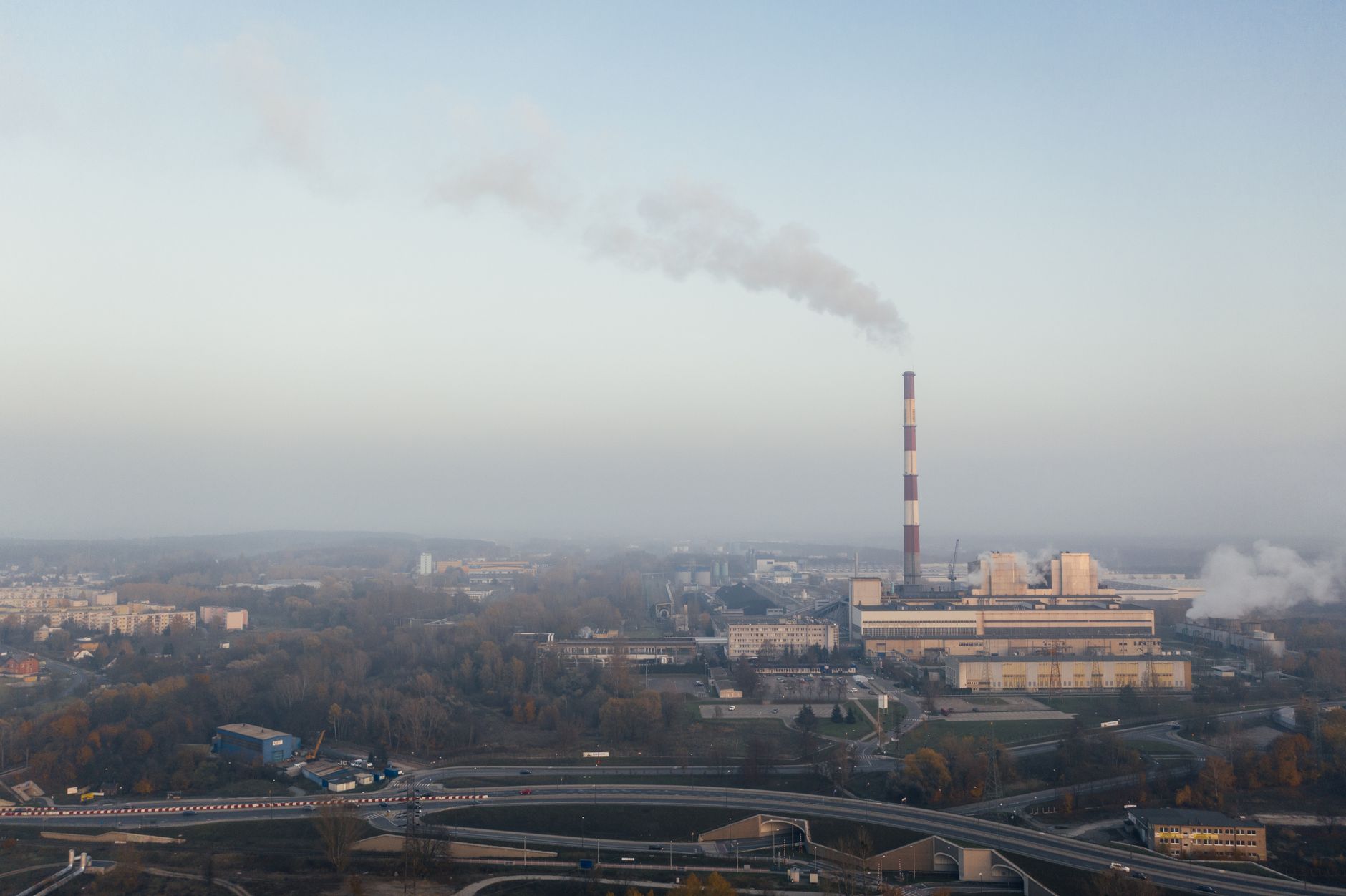
greenhouse gas emissions are a hot topic as the EPA announces its decision to eliminate a rule limiting emissions from power plants. This shift raises concerns about environmental impacts and financial implications for consumers and businesses alike.
Understanding the EPA’s Decision
The Environmental Protection Agency (EPA) recently announced its decision to eliminate a rule aimed at limiting greenhouse gas emissions from power plants. This move has sparked significant debate among environmentalists, policymakers, and industry leaders.
Critics argue that the removal of this regulation could lead to increased levels of harmful emissions, exacerbating climate change and its associated impacts. Supporters, however, contend that the rule was overly restrictive and hindered economic growth in the energy sector.
As the nation grapples with the urgent need to address climate change, the EPA’s choice raises important questions about the balance between environmental protections and economic interests.
- What are the potential consequences of increased greenhouse gas emissions?
- How will this decision affect the transition to renewable energy?
- What are the public health implications of higher emissions levels?
Impact on Greenhouse Gas Emissions
The recent decision by the EPA to eliminate the rule limiting greenhouse gas emissions from power plants has raised significant concerns among environmentalists and policy makers. Critics argue that this move could lead to a substantial increase in emissions, exacerbating the ongoing climate crisis.
Key potential impacts include:
- Increased Emissions: Without strict regulations, many power plants may revert to less efficient and more polluting energy sources.
- Public Health Risks: Higher emissions can lead to deteriorating air quality, which may affect respiratory health in vulnerable populations.
- Climate Change Acceleration: Increased greenhouse gas emissions contribute to global warming, leading to more extreme weather events.
As the debate continues, the long-term implications of this decision on greenhouse gas emissions will be closely monitored.
What This Means for Power Plants
The recent decision by the EPA to eliminate the rule limiting greenhouse gas emissions from power plants raises significant concerns for environmental advocates. This move may lead to an increase in emissions, contradicting efforts to combat climate change.
Power plants are among the largest sources of greenhouse gas emissions in the United States, and changes to regulations can have profound effects on air quality and public health. The rollback of emissions limits means:
- Increased Pollution: Without strict rules, power plants may emit more harmful pollutants.
- Health Risks: Higher emissions can lead to respiratory issues and other health problems for nearby communities.
- Climate Impact: This decision could significantly hinder progress toward reducing overall greenhouse gas emissions.
As the debate continues, the long-term implications of this choice remain to be seen.
Public Reaction to the EPA’s Move
The recent announcement by the EPA to eliminate regulations limiting greenhouse gas emissions from power plants has sparked significant public reaction. Many environmental advocates have expressed concern over the potential increase in emissions and its impact on climate change.
In a social media survey, participants shared their views, revealing a mix of support and opposition. Key points raised include:
- Increased Pollution: Critics argue that this move will lead to higher levels of pollution in already vulnerable areas.
- Public Health Concerns: Many believe that rising greenhouse gas emissions could adversely affect air quality and public health.
- Future Regulations: Some fear that this decision sets a precedent for further rollbacks of environmental protections.
As discussions continue, the long-term implications of this decision on greenhouse gas emissions remain a hot topic among citizens and policymakers alike.
Photo by Marcin Jozwiak on Pexels